MRQ Casino UK: Does It Separate Slots from Live Table Games?
Short answer: MRQ Casino UK presents slots and live table games as different kinds of play, and players should expect to find them separated by category or lobby section. The exact labels, game selection and page layout can change, however, so check the current MRQ site or app for the live arrangement. The useful distinction is more than a menu choice: animated reels and streamed table games show different kinds of equipment, invite different actions and record play in different ways.
This distinction matters when browsing for the slots category or looking for live roulette blackjack baccarat. A slot’s reels are generally part of a digital interface; a live game stream shows people and physical equipment in use. Neither screen should be mistaken for the other. A reel animation does not establish that a mechanical reel is turning, just as a video of a roulette wheel does not, by itself, show the whole table or explain every rule governing a bet.
Why casinos sort games into categories
Casino categories are a modern form of wayfinding. They help players find a type of game without having to inspect every title individually. “Slots” points towards games organised around reels, symbols and combinations. “Live casino” usually points towards games presented through a video stream, often with a dealer and equipment such as a wheel, cards or baccarat table.
These labels are useful, but they are not a complete description of how a game works. A digital slot may imitate the look of a traditional fruit machine while generating outcomes through software. A live-streamed roulette game may show a physical wheel and ball, while bets are entered using on-screen controls. In both cases, the interface mediates what the player sees and does.
For MRQ Casino UK, the practical question is therefore twofold: how does the site organise its games, and what does each kind of screen actually show? A category heading can tell you where a provider or operator has placed a game. It cannot, on its own, tell you whether an image is a recording, a live feed, or a graphical representation of a result.
Objects first: from casino equipment to screen
The history of casino play can be read through its objects. Reels, cards, chips, tables, wheels and scoreboards are not merely decoration. Their shapes and arrangements help establish what actions are possible, where players should look and how results are recognised.
On a physical roulette table, the wheel and betting layout perform different jobs. The wheel produces the winning number; the marked layout gives players an organised place to stake chips on numbers, colours and other combinations. A description of roulette that mentions only the wheel misses half the equipment. The table’s divisions and printed markings are functional: they make different bets visible and help staff handle and settle them.
Blackjack and baccarat also depend on table conventions. Cards are dealt in an agreed area, and positions indicate where a player’s wager belongs. The dealer’s handling of cards and chips, together with the layout, makes the sequence of play legible to those at the table. In a digital version, buttons and screen graphics take over some of those functions. In a live stream, the physical layout remains visible, but the player typically acts through a separate digital betting panel.
Slots have a different object history. Mechanical machines used physical components, including reels and mechanisms that stopped them. Contemporary online slots commonly present animated reels on a screen. The visual convention of spinning symbols carries forward the familiar appearance of a slot machine, but the animation is not evidence that a set of mechanical reels is operating inside the device. The underlying game and the image presented to the player are distinct things.
What the MRQ categories tell you
When a casino site separates slots from live games, it is sorting by experience and presentation. The slots category is likely to gather games where a player starts a round using digital controls and sees symbols animate into a result. A live section, by contrast, groups games that use a streamed presentation, commonly featuring a dealer and physical table equipment.

For a player looking specifically for live roulette blackjack baccarat, the live category is the natural place to begin. Individual games may be grouped under labels such as roulette, blackjack or baccarat, or listed by provider or table format. A site’s taxonomy is a navigation aid rather than a universal standard: the names and placement of sections can vary, and operators may reorganise them.
Feature Slots category Live table games What is usually shown Animated reels, symbols, menus and game controls A video stream of a dealer, table and relevant equipment, alongside digital controls Player action Selecting a stake and starting a round, often with buttons Placing a wager through the interface before or during the permitted betting period Visible equipment Often represented graphically; physical machinery is not implied by reel animation May include a physical wheel, cards, chips and marked table areas How a result appears As a completed animation and displayed game result Through the streamed play and the game interface’s recording or settlement of betsAnimated reels: a visual convention, not a mechanical claim
Animated reels borrow a visual language that many players recognise: symbols move, stop in rows and are assessed according to a game’s rules. That presentation can suggest a physical machine, but it does not show one. The reels are digital images in an interface, and the animation is the visible account of a game result—not proof of the particular mechanism or software process that produced it.
This difference is important when comparing online slots with older machines. A traditional mechanical device has moving parts that can be seen and handled. An online slot offers screen-based controls and images. It may reproduce the sound or motion associated with a cabinet, but those sensory details are design choices. They should not be treated as evidence of physical operation.
The interface also shapes the player’s actions. A stake selector, spin button and result display make the sequence easy to follow: choose an amount, start a round, watch the animation and read the outcome. The screen gathers these steps into one place. That convenience is part of the design, but players should still check the game’s information and rules rather than infer features from its artwork alone.
Live streams: physical equipment in use
Live streams offer a different kind of visibility. They can show a dealer handling cards, a roulette wheel in motion or a table arranged for betting. In that sense, the stream provides evidence of physical equipment being used during the presentation. It also shows gestures and timings that a purely animated game may not: cards being dealt, a wheel being spun, or a dealer closing a betting period.
But a stream is still a view selected and framed by cameras. It may not show every part of the room, every device involved in producing or recording a result, or the complete table at all times. A close-up of a wheel, for example, is not the same thing as a view of the roulette betting layout. If the betting area is off camera, the stream cannot tell you how every marked position is arranged. It shows what falls within the camera view, not the whole operation.
The online player’s handling is different too. At a physical table, a player might place chips directly on a marked area. Online, the player selects a bet on a screen, while the streamed dealer and equipment provide the visible table-side action. The interface links these two spaces: the player’s digital selection and the physical activity shown in the video.
Tables and marked areas are functional equipment
Roulette is a particularly clear example of why layout matters. The wheel and the betting layout are separate pieces of equipment with related roles. The wheel determines where the ball comes to rest; the printed table gives players a structured way to select wagers. Numbered boxes and other marked areas make different choices legible and support the handling and settlement of bets.
When assessing a live roulette screen, look for both the physical wheel and the digital betting layout. The video may show one more prominently than the other. An image of roulette pockets numbers explained a spinning wheel alone does not explain where bets are placed, while a digital betting grid alone does not show the wheel in use. Both elements contribute to the game’s presentation, and it is helpful to know which is being shown directly and which is represented by the interface.
Blackjack and baccarat have their own table arrangements. The placement of cards, dealer position and player betting spots help organise a round. A live stream can make these conventions visible, although camera angle, screen overlays and table design affect what can be seen. The on-screen panel remains important because it is usually where an online player enters a wager, even while the dealer acts at a physical table.
Visibility, handling and recording results
Casino equipment is designed around practical questions: Can players see the relevant action? Can a dealer handle the equipment efficiently? Can wagers and outcomes be identified and recorded? On a physical table, markings, chip placement and dealer procedure help keep play orderly. In an online environment, buttons, overlays and result panels take on part of that work.
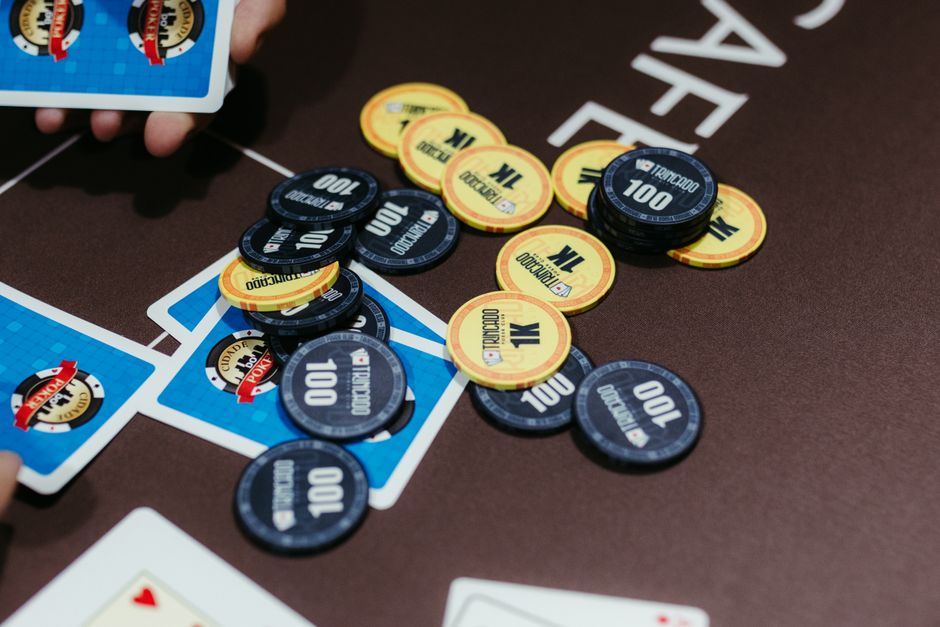
Slots tend to make the result visible through a completed reel animation and a displayed outcome. Live table games combine a stream with interface elements that show betting choices and results. The video and the software interface therefore have different jobs. The stream presents the physical scene; the interface lets the remote player interact and keeps a record of their selections and the displayed result.
That distinction is useful when comparing categories on MRQ Casino UK. If the screen is made up mainly of animated reels and game controls, you are looking at a digital slot presentation. If it contains a video of a dealer and equipment, alongside a betting panel, it is a live-streamed table experience. The two can share familiar casino imagery without sharing the same visible equipment or method of interaction.
How to find the right section on MRQ Casino UK
-
Open the current casino lobby and look for separate headings or filters for slots and live games. Labels can change, so use the current navigation rather than relying on an old screenshot or guide.
-
For animated reel games, open the slots category and check the game information for its rules and features. Treat reel motion as screen presentation, not evidence of a mechanical machine.
-
For live roulette blackjack baccarat, check the live section and inspect each game’s title and table details. Confirm that the format suits you before entering a game.
-
When viewing roulette, distinguish the wheel from the betting layout. For any live game, remember that the stream shows only the camera’s field of view, while the betting controls are part of the digital interface.
So, does MRQ separate slots from live table games?
In practical terms, yes: slots and live table games are different browsing categories and different screen experiences. Slots generally use animated digital reels; live table games use streams that show physical equipment in use, combined with online controls for placing bets. The current MRQ layout and game selection should be checked directly, as site navigation can change.
The more precise answer is that category separation helps you find a style of play, but does not by itself explain the equipment or mechanism. For that, pay attention to what is actually visible: animated symbols, a dealer, cards, a roulette wheel, the marked table layout and the controls used to make a wager. Keeping those elements distinct makes the difference between a slot interface and a live table game much clearer.